
HURRICANE SEASON PREPAREDNESS 2024 – STAY SAFE AND READY
The hurricane season preparedness 2024 is here and it’s essential to be well-prepared and informed. The National Oceanic and Atmospheric Administration (NOAA) predicts an active season with 14-20 named storms expected to form in the Atlantic, with several potentially making landfall. To help you navigate this season safely, we’ve put together the ultimate hurricane preparedness guide for boat owners and marina managers.
UNDERSTANDING HURRICANE CATEGORIES
Understanding the different categories of hurricanes is crucial for effective preparation. The Saffir-Simpson Hurricane Wind Scale classifies hurricanes from Category 1 to Category 5 based on their sustained wind speeds. This scale helps estimate potential property damage and necessary precautions.
• Category 1 & 2:
Even though these are the lowest categories, they can still cause significant damage to marinas and boats. Hurricane force winds and heavy rain can lead to flooding and structural damage.
• Category 3 (Major):
Winds of 111-129 mph can cause devastating damage. Boats that are not properly secured may suffer heavy damage or destruction.
• Category 4 & 5:
These are catastrophic hurricanes with winds exceeding 130 mph. Expect extreme damage, long-term power outages, and significant safety risks.
PREPARATION TIPS FOR BOAT OWNERS
Early Preparations
Waiting until a storm is imminent can lead to rushed decisions and incomplete preparations, which can increase the risk of damage and danger. By taking proactive steps now, boat owners can ensure they have ample time to gather necessary supplies, secure their vessels, and protect their property. Preparation involves not only gathering physical supplies but also staying informed and having a clear action plan. This holistic approach to readiness will help boat owners navigate the season more smoothly and with greater peace of mind.
• Monitor Weather Reports: Stay updated with the latest forecasts from reliable sources such as NOAA and the National Hurricane Center.
• Stock Up on Essentials: Have a supply of non-perishable food, water, medications, and other essentials for at least a week.
• Prepare Your Emergency Kit: Include flashlights, batteries, cash, and a fully charged mobile phone with backup chargers.
Securing Your Boat
Properly securing your boat is vital to minimize damage during a hurricane. Follow these steps:
• Check Dock Lines: Ensure all dock lines are strong and in good condition. Use additional lines if necessary.
• Remove Valuables: Take any important documents, electronics, and personal items off the boat.
• Seal Openings: Close and secure all hatches, windows, and vents to prevent water intrusion.
• Move Your Boat: If possible, relocate your boat to a safer area or dry storage well in advance of the storm.
HOW TO SECURE YOUR MARINA
Marina managers have a big responsibility when it comes to preparing for hurricanes. They need to protect the marina and the boats in it. Having a strong disaster plan is important for reducing risks and keeping assets safe.
The first step is to create a comprehensive disaster plan. This plan should detail evacuation routes, communication protocols, and safety procedures tailored to the marina’s specific layout.. It’s important that this plan is thorough and easily accessible to all staff members and boat owners.
In addition to having a disaster plan in place, educating boat owners is crucial. Each boat owner should be fully aware of the marina’s hurricane procedures and have their own disaster checklist. This ensures that everyone knows what steps to take before, during, and after a hurricane to safeguard their property and lives. Regular inspections and reinforcements of the marina’s infrastructure are another key component.
Harbors, wharfs, and other related infrastructures should be regularly inspected for potential weaknesses. Any weaknesses found must be addressed promptly to prevent significant damage during a storm.
Lastly, maintaining open lines of communication with local authorities is vital. By coordinating with local emergency services, marina managers can receive timely updates and assistance, ensuring they are prepared for any developments as the hurricane approaches.
PROTECTING YOURSELF AND YOUR FAMILY
Ensuring the safety of yourself and your family during a hurricane is most important. Begin by identifying a safe shelter. This should be a location on high ground, far from the water, and sturdy enough to withstand strong winds and flooding. It is not advisable to remain on a boat during a storm due to the high risk of severe conditions and potential for capsizing.
Staying informed is equally important. Keep a battery-operated weather radio close by to receive constant updates and instructions from local authorities. This ensures you are aware of the hurricane’s progress and any critical advisories that may affect your safety.
When evacuation orders are issued, it is essential to comply promptly. Delaying evacuation can result in last-minute rushes, traffic jams, and exposure to hazardous conditions. Leaving early allows for a safer and more orderly departure, reducing the risk to you and your family.
Quick Summary:
• Create a Disaster Plan: Develop a detailed plan including evacuation routes, communication protocols, and safety procedures.
• Educate Boat Owners: Ensure boat owners are aware of hurricane procedures and have a disaster checklist.
• Inspect and Reinforce: Regularly inspect docks, piers, and facilities, reinforcing them as needed.
• Coordinate with Local Authorities: Maintain open communication with emergency services for timely updates and assistance.
• Find Safe Shelter: Identify a secure location on high ground away from water; avoid staying on boats.
• Stay Informed: Keep a battery-operated weather radio for updates and instructions.
• Evacuate if Necessary: Follow evacuation orders promptly to avoid lastminute rushes and danger.
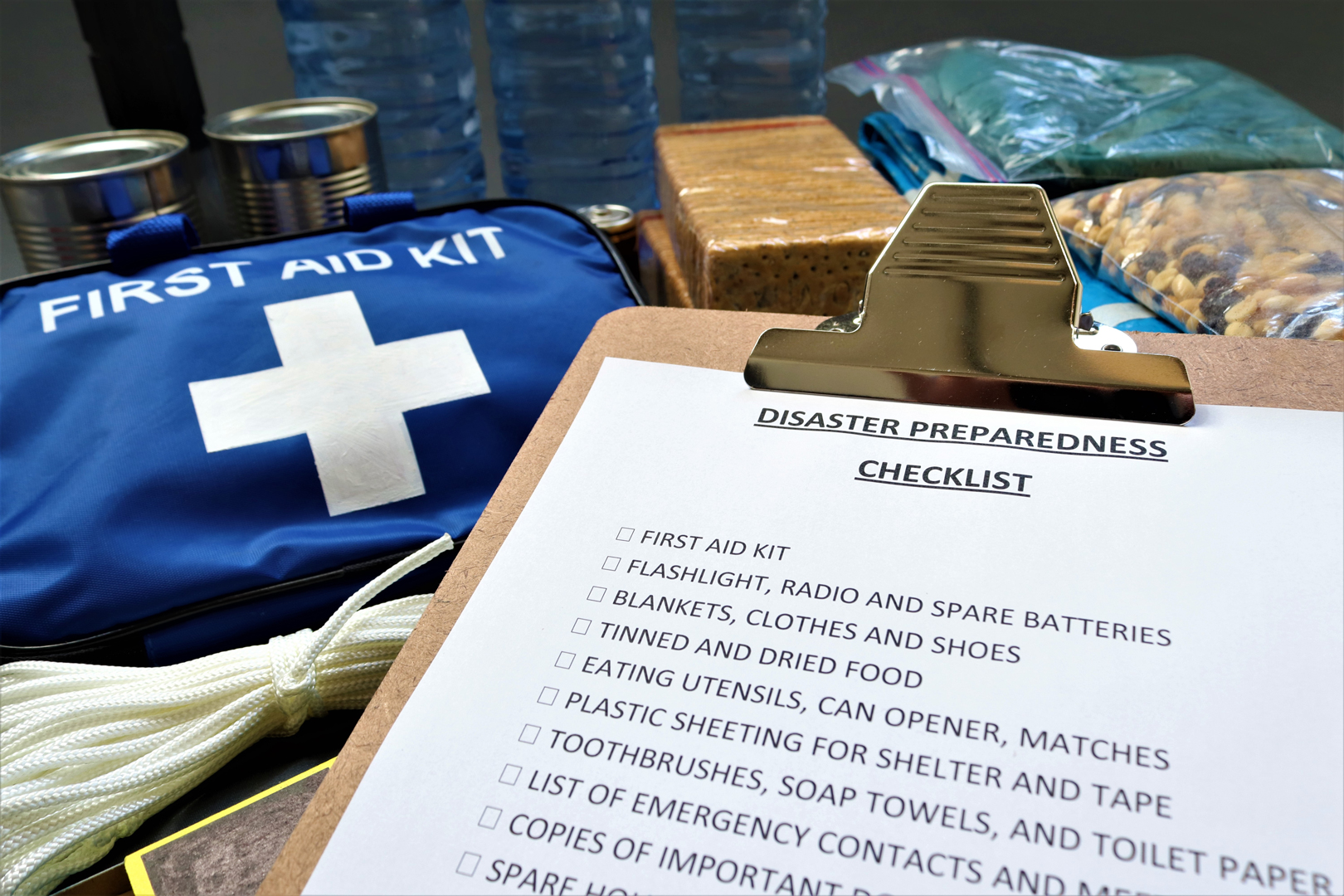
HURRICANE CHECKLIST
• General Supplies: Batteries, cash, cell phone chargers, battery powered flashlights, and medical supplies.
• Emergency Contacts: Write down important phone numbers in case your phone battery dies.
• Special Needs Items: Ensure you have necessary items for babies, elderly family members, and pets.
• Food and Water: Stock up on non-perishable food and at least one gallon of water per person per day for seven days.
• Important Documents: Keep important papers in a waterproof container.
CONCLUSION
Hurricane season preparedness 2024 demands vigilance and thorough preparation. Boat owners and marina managers should prepare for 14-20 named storms by taking steps to protect their vessels and facilities.
Start getting ready for emergencies at least one week in advance. Stay updated with reliable sources of information. Ensure that your disaster plans are up-to-date. By taking these measures, you can significantly reduce the risk of damage and ensure the safety of yourself and your loved ones.
For more resources and to secure marina slips, contact our service department today. Don’t wait until the last minute—begin your hurricane preparations now and stay safe this season!