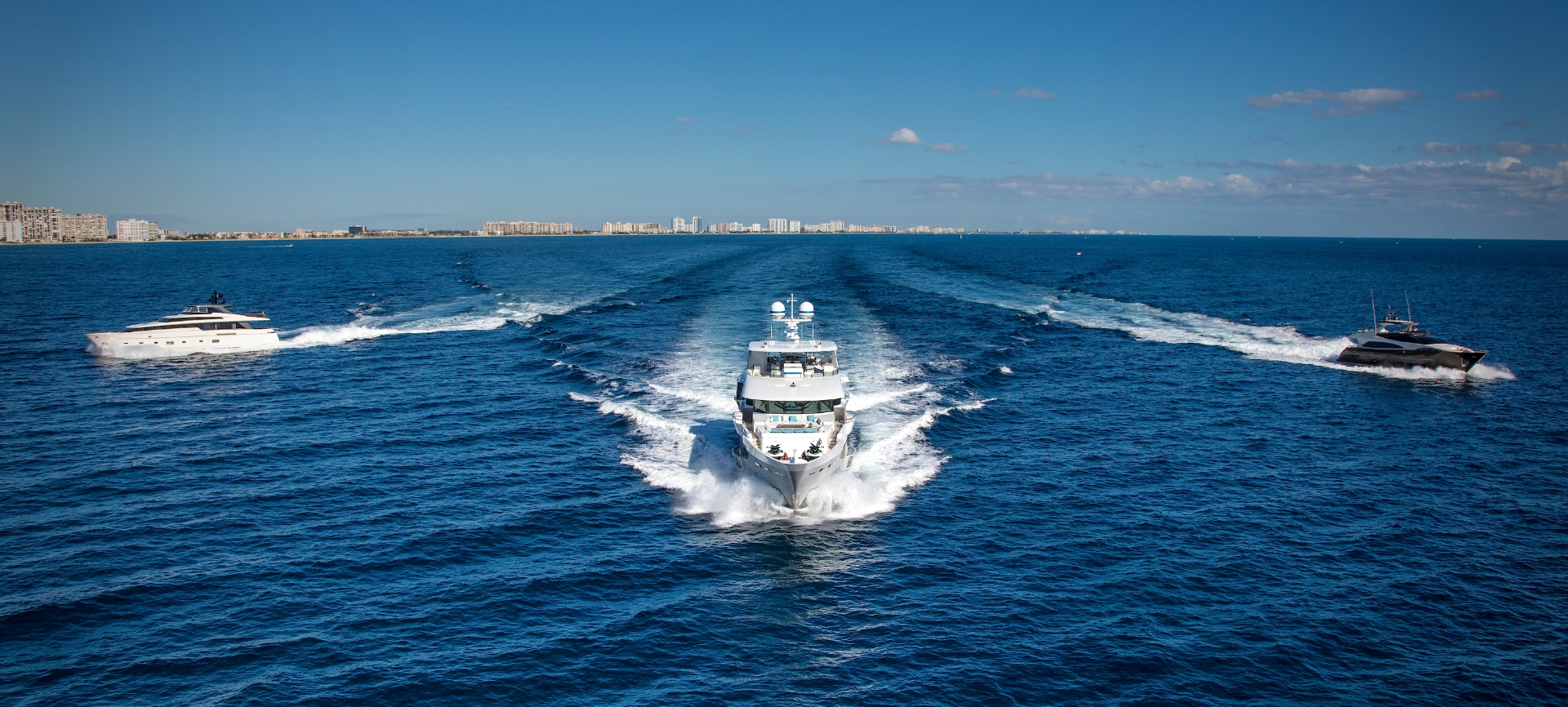
Top Hurricane Preparedness Guide 2023 – Be Prepared
Hurricane season 2023 has begun and we have the top hurricane preparedness guide. The storm center at the National Oceanic Atmospheric Administration is predicting a near-normal hurricane forcast. This forecast calls for 12-17 named storms generating in the Atlantic and possibly making landfall at a marina near you. The latest list of names for the storms is in alphabetical order with Arlene as the first name.
Hurricane Categories
When it comes to hurricanes, it’s important to understand the different categories and what they mean. The Saffir-Simpson Hurricane Wind Scale is a scale used to rate hurricanes on a scale of 1 to 5 based on their sustained wind speed. This rating system estimates potential property damage and is used to determine the severity of a hurricane. Category 1 and 2 storms are still dangerous and should not be underestimated. While they may not reach the same wind speeds as major hurricanes, they can still cause significant damage. Hurricanes reaching Category 3 and higher are considered major hurricanes due to their potential for significant loss of life and damage. Any hurricane over Category 3 will possibly have Catastrophic damage that will occur especially in a marina. Understanding the categories of hurricanes and their respective wind speeds can be critical in preparing for, and surviving these natural disasters.
Preparation Tip For Boat Owners
When a hurricane or storm is on its way, it’s important to be prepared! The amount of time you have to prepare can vary depending on the storm’s location and intensity, so it’s important to stay informed by monitoring the weather forecast. Generally, it’s best to start preparing at least three to five days in advance. Make sure to have enough non-perishable food, water, and essential medications for several days. You’ll also want to make sure you have any necessary supplies like flashlights and batteries. Begin by researching the storm’s path and potential impacts on your area. You can follow up-to-date hurricane path and forecast on the Hurricane Tracker at NOAA.
How to Secure Your Boat and Marina
When it comes to ensuring the safety of your boat during a disaster, it’s essential to have a solid plan in place beforehand. Do not count on the dockmaster to ensure the safety of your boat. It should be their top priority but having peace of mind that you checked everything is better. This is especially important in the face of an impending weather disaster. Marinas must have a solid disaster plan in place. Every boat owner needs to be aware of the procedures and have a disaster checklist. They need to follow these to help prevent damage and protect their vessels. The dockmaster should take the time to double-check that all boats are securely tied and properly prepared before the storm. This can make all the difference in preventing costly damages and avoiding unnecessary headaches. Additionally, make sure to inquire about the procedures in place for boats on land and in dry storage. It’s better to be prepared and informed ahead of time than to be caught off guard when disaster strikes.
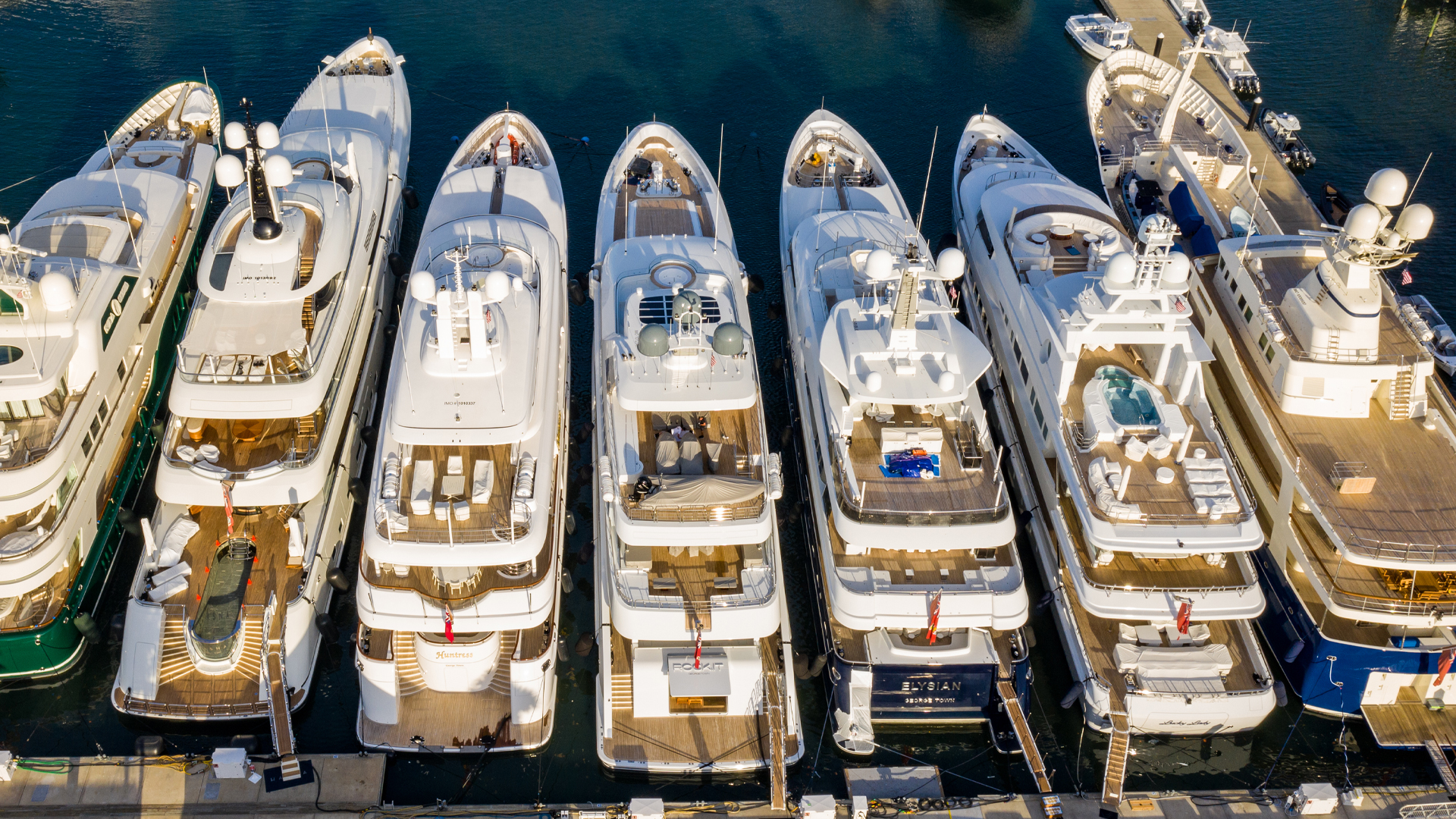

Florida has a long history of being ready and not ready for the approaching storms. The blog provides useful resources for both boat owners and marinas. Please see the “Disaster Supply Checklist Kit” and print out or download it to your device in PDF form.
Quick Hurricane Checklist
- General batteries, cash, cell phone chargers, flashlights and medical supplies
- Phone numbers written down incase of no battery on the phone.
- Special needs items for babies, elderly and other members of the family
- Food and water for 7 days and fresh water estimated at a gallon per person
- Important documents in a water proof container
Protecting Yourself and Waiting for the Storm
Finding a safe and high-ground shelter away from the boat is crucial during a storm. It’s important to monitor the weather before and during the storm, as well as remain aware of the situation. It’s advised to wait until the storm has passed before going back to the boat. While waiting for the storm to pass or approach you can monitor the water temperature in front of the storm to see if there is a good environment for a stronger storm. Never stay on the boat during a storm as it can be hazardous and potentially life-threatening. By taking these precautions, you can increase your chances of staying safe and secure during a storm.
Conclusion
Hurricane season 2023 has officially begun and forecasters predict a near-normal season with 12-17 named storms. Boat owners should immediately begin preparing for the impending storms as the National Oceanic Atmospheric Administration provides resources for boaters and marinas to stay informed and protect their vessels. Preparations need to start at least three to five days in advance, with essential supplies like flashlights, batteries and non-perishable food ready to go. Boats should be securely tied up by the marina dockmaster before a storm hits as some boats may require dry storage on land. Knowing the hurricane categories is important so people can gauge how severe a storm will be, and how much damage could potentially occur. It is also essential that boat owners evacuate their vessels during a storm, finding a safe place on higher ground away from the boat until it passes. Hurricane season 2023 requires everyone to stay informed and prepared to keep themselves and their boats safe during this stormy time of year.
Call our service department for slips available today. Don’t wait until the last minute to prepare – start getting ready now!